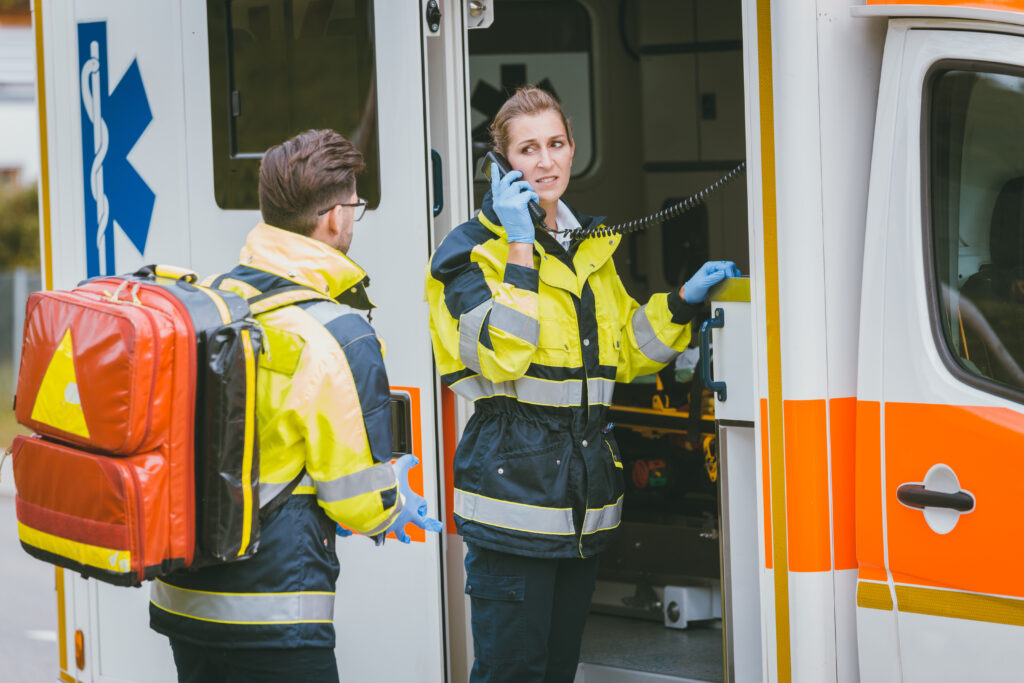
Why First Responder Communication Matters
Reliable in-building communication is essential for effective emergency response. First responders rely on radio systems to coordinate entry, share situational updates, request assistance, and maintain safety inside unfamiliar environments.
When radio signals drop, even briefly, the consequences can be serious. Missed transmissions can slow response times, create confusion, or place responders in unsafe conditions. In large or complex buildings, these risks increase as responders move deeper into interior spaces, stairwells, or underground levels.
That is why first responder communication has become a priority in fire and life safety planning. Codes and standards exist to ensure that buildings support emergency radio coverage, but beyond compliance, the goal is simple: protect the people who protect others. By proactively addressing communication challenges, building owners can help create safer environments for responders and occupants alike.
Read More
Common In-Building Communication Challenges
Many property owners are surprised to learn how easily modern buildings can interfere with radio signals. Even when outdoor coverage is strong, signal strength can drop dramatically once responders move indoors. Some of the most common challenges include:
Signal Loss From Construction Materials
Concrete, steel, fire-rated walls, and Low-E glass can absorb or reflect radio waves, reducing signal penetration.
Large Building Footprints
Warehouses, hospitals, campuses, and high-rise buildings create long distances and multiple obstructions that weaken communication.
Stairwells and Elevator Shafts
These areas are critical for emergency response, yet they are often the most difficult spaces for radio coverage.
Basements and Parking Structures
Underground levels are naturally shielded from external radio signals, creating frequent dead zones.
Building Layout Complexity
Interior corridors, mechanical rooms, and secured spaces can block or distort radio transmission.
Without intentional design and amplification, these challenges can compromise communication reliability during emergencies.
Our First Responder Communication Solutions
RFE Communications provides engineered first-responder communication solutions that overcome in-building signal challenges and support public safety operations. Our approach is built on performance, compliance, and long-term reliability.
System Design and Engineering
We begin by evaluating the building’s RF environment and identifying areas with weak or unreliable communication. Our engineering-driven designs are tailored to each facility’s layout and usage.
In-Building Amplification Systems
We deploy solutions that enhance public safety radio coverage throughout the building. These systems are designed to deliver consistent signal strength in critical areas.
Integration With Code Requirements
Our solutions align with applicable fire and life safety codes, helping buildings meet inspection and compliance expectations.
Professional Installation
We offer ERCES installation and other public safety communications installation with precision and attention to detail, ensuring antennas, cabling, and components are placed for optimal performance.
Performance Verification and Testing
Testing confirms that coverage meets required thresholds and performs reliably in real-world conditions.
Our goal is not just to install equipment, but to deliver communication systems that work when first responders depend on them most.
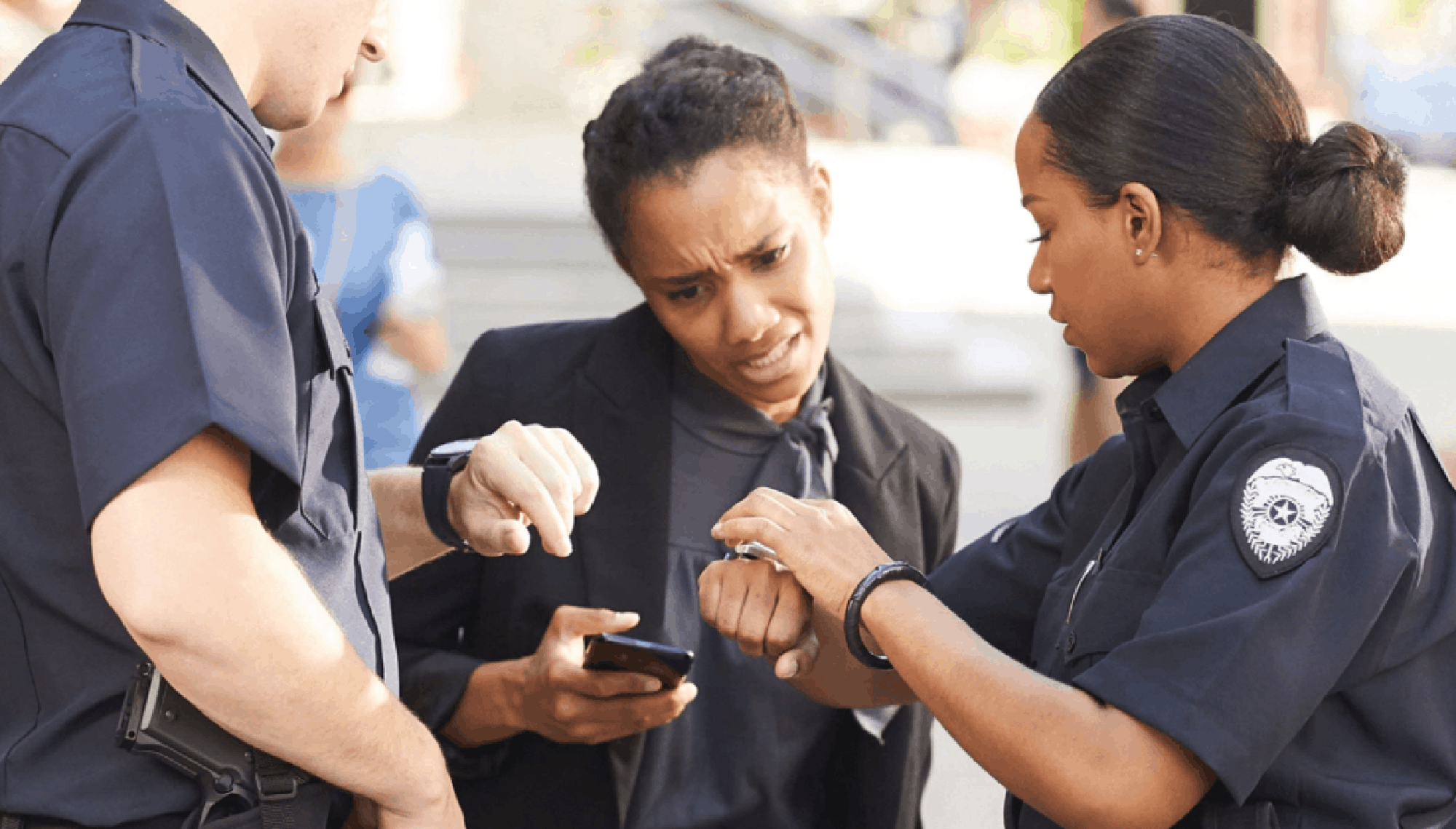
Who We Serve Across Texas
First-responder communication challenges exist across a wide range of commercial and institutional properties across various industries. RFE Communications works with organizations throughout Texas to deliver solutions that support public safety.
Office Buildings and Corporate Campuses
Multi-floor office environments often require enhanced coverage to support emergency response in stairwells and interior spaces.
Hospitals and Healthcare Facilities
Reliable communication is critical in patient care areas, basements, and secured zones.
Warehouses and Distribution Centers
Large footprints and dense construction materials can create communication gaps that must be addressed.
Hospitality and Residential Properties
Hotels, high-rise residential buildings, and mixed-use developments require coverage across multiple levels and usage types.
Retail Centers and Public Venues
Shopping centers and large gathering spaces must support communication across expansive interior areas.
Educational Facilities
Schools and campuses benefit from clear communication throughout classrooms, corridors, and support spaces.
Regardless of building type, our focus remains the same: deliver communication solutions that support first responders and protect lives.
Frequently Asked Questions
We’ve answered some of the most common questions about first responder communications solutions here, but if you don’t see your question, just ask and we’ll be in touch.
Why do modern buildings block radio signals?
Materials like concrete, steel, and energy-efficient glass interfere with RF propagation, weakening signals indoors.
Are first responder communication systems required by code?
Many jurisdictions require buildings to meet minimum radio coverage standards. Requirements vary by location and building type.
What areas are most likely to have coverage issues?
Stairwells, basements, parking garages, elevator lobbies, and interior corridors commonly experience signal loss.
Can communication issues be fixed after construction?
Yes, but addressing them during design or early construction is often more efficient and cost-effective.
How do you verify system performance?
We use structured testing methods to confirm signal strength and coverage throughout the building.
Is this the same as cellular coverage?
No. First-responder communication systems support public-safety radio networks, not commercial cellular service.