
What Is Emergency Responder Radio Coverage?
Emergency responder radio coverage refers to the ability of first responders to maintain uninterrupted radio communication throughout a building during an emergency. Public safety agencies operate on specialized radio frequencies, but those signals can weaken or disappear inside large or complex structures.
Many modern buildings contain materials that interfere with radio transmissions. Reinforced concrete, metal framing, energy-efficient windows, and underground construction can block or absorb signals. Basements, stairwells, mechanical rooms, and parking garages often become areas where communication fails.
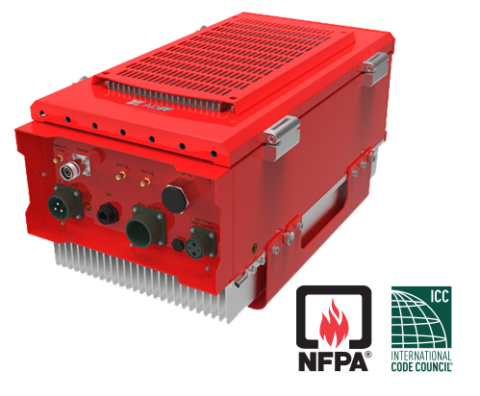
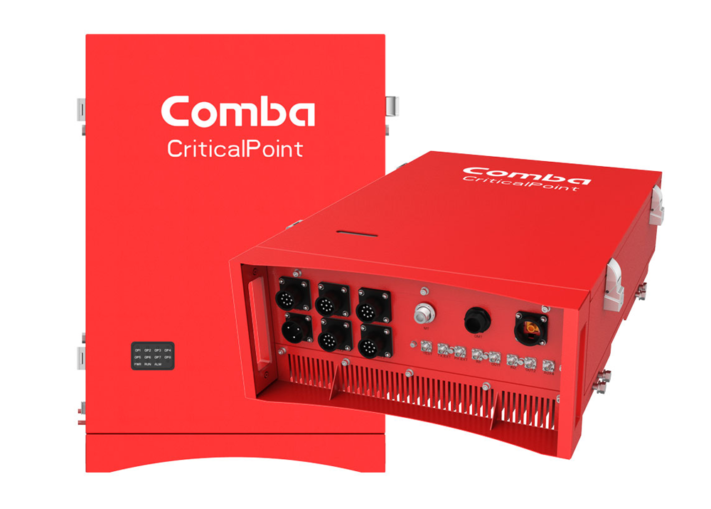
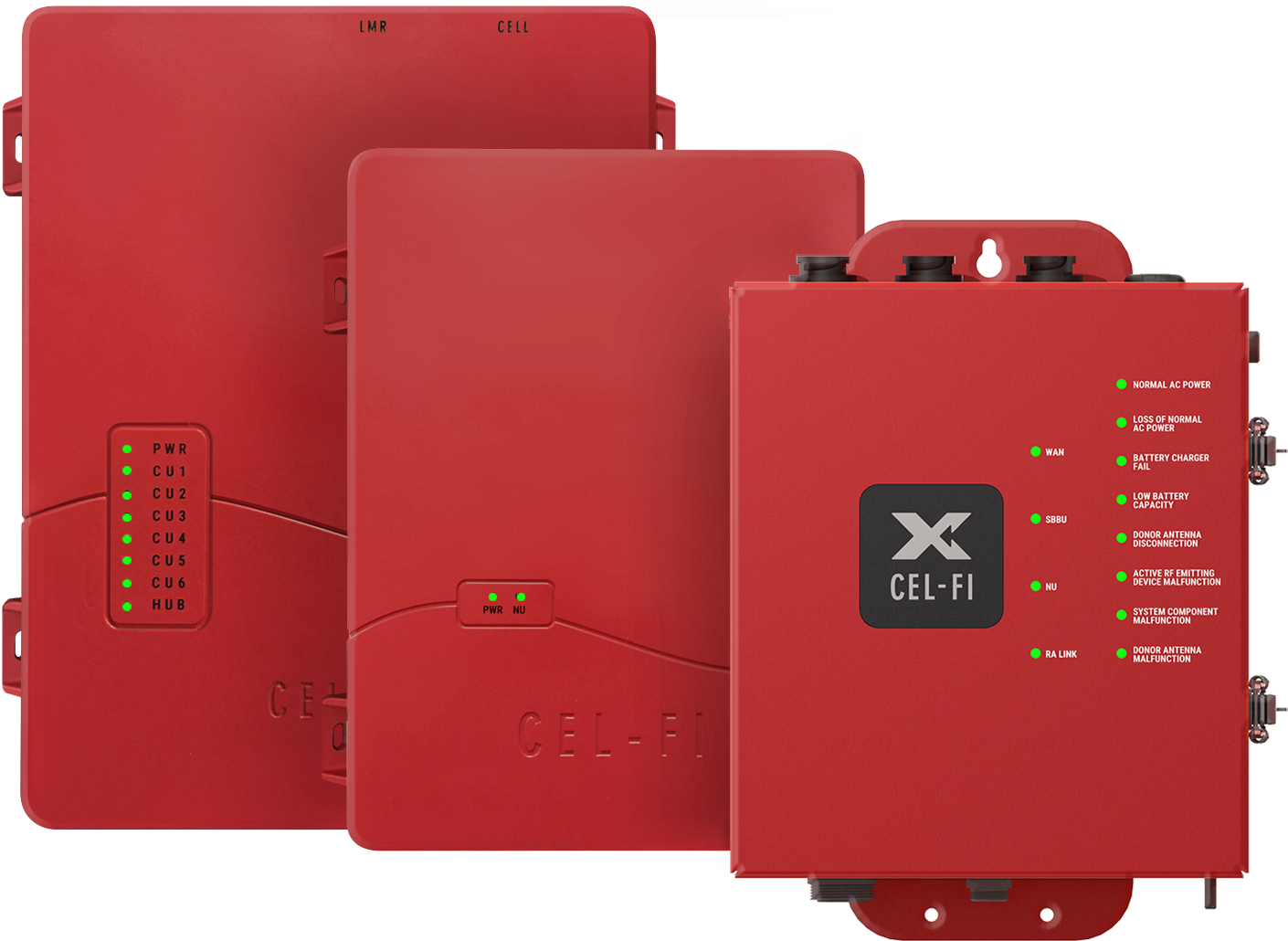
Emergency responder coverage systems solve this issue by enhancing radio signals inside the building. These systems capture the external public safety radio signal and distribute it throughout the structure using strategically placed equipment.
A typical ERCES system includes:
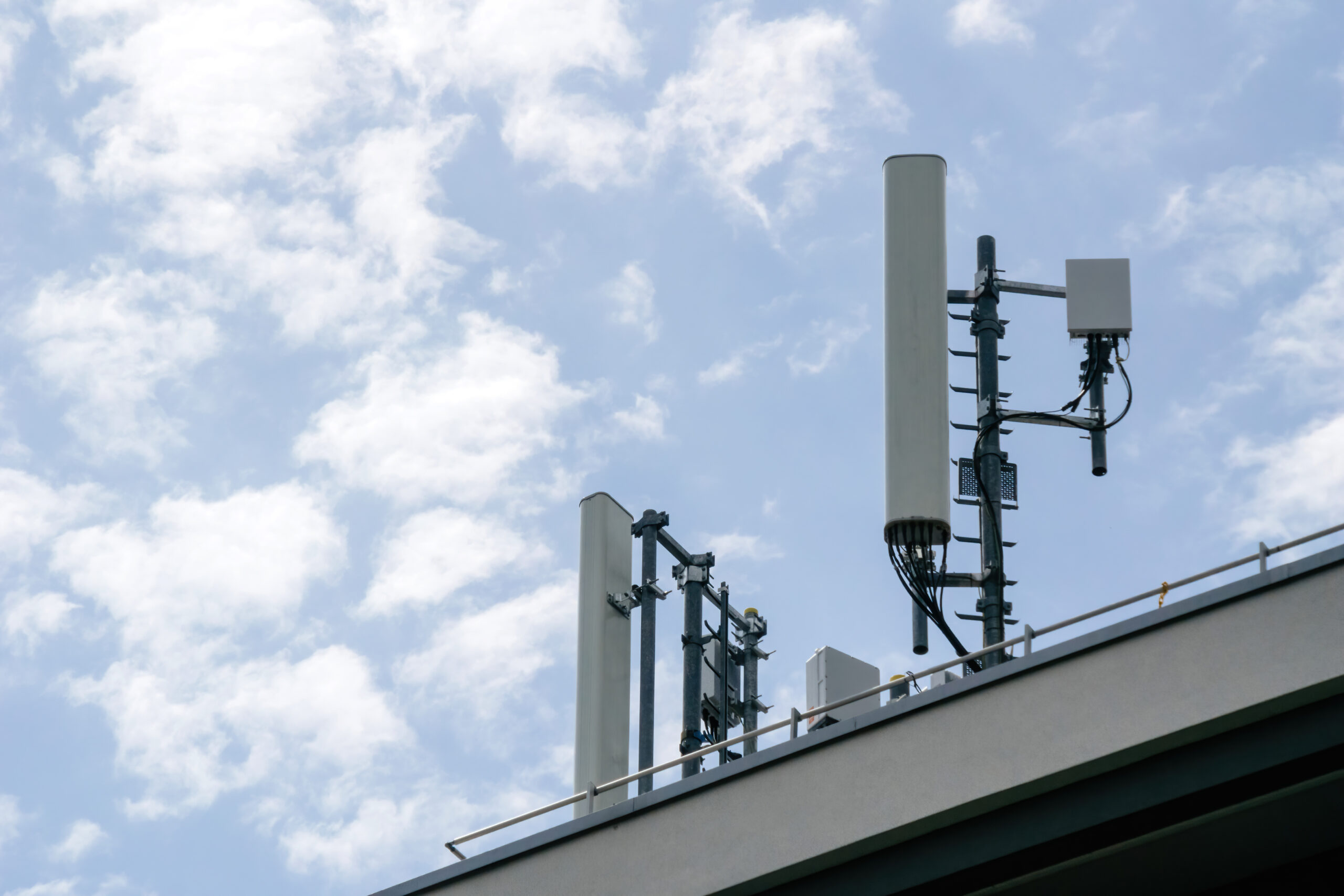
- Donor antennas that receive radio signals from nearby public safety towers
- Bi-directional amplifiers that strengthen and relay those signals
- Distributed antennas installed throughout the building to provide consistent coverage
Together, these components ensure that emergency personnel maintain reliable communication regardless of their location within the structure.
How ERCES Systems Improve Emergency Response
Reliable communication is vital to emergency operations. When responders can communicate clearly, they coordinate more effectively, respond faster, and work more safely in challenging environments.
Improved Coordination
During emergencies, multiple teams often work simultaneously across different areas of a building. Fire crews, medical responders, and law enforcement must exchange information quickly to manage evolving conditions. Emergency responder coverage systems ensure radio signals remain clear and consistent throughout the building, keeping teams connected.
Enhanced Responder Safety
Safety remains a top priority during any emergency response. If responders enter areas where radio communication fails, they may be unable to call for assistance or report dangerous conditions. By providing reliable coverage in stairwells, basements, and mechanical spaces, ERCES systems help ensure responders remain connected at all times.
Faster Incident Response
Communication delays can slow emergency response efforts. When signals remain strong throughout the building, teams can relay updates, request resources, and coordinate movements without interruption. Strong radio coverage helps responders work efficiently and make informed decisions under pressure.
Together, these benefits make emergency responder coverage systems an essential component of modern building safety infrastructure.
Our ERCES Installation Approach
At RFE Communications, our ERCES system installation services follow a structured process designed to deliver reliable coverage and meet regulatory standards. Each project begins with careful analysis and continues through installation, testing, and compliance verification.
Site Testing and Signal Assessment
Every building presents unique communication challenges. Our engineers begin by conducting detailed signal testing to evaluate existing public safety radio coverage throughout the property. This assessment identifies weak areas and helps determine whether an ERCES solution is required.
Engineering and System Design
After evaluating signal conditions, our engineering team designs a custom solution tailored to the building’s layout and construction materials. This design process determines the placement of antennas, amplifiers, and other system components to achieve consistent signal coverage.
System Deployment
Once the design is finalized, our installation team deploys the system throughout the building. Equipment is carefully installed and integrated into the existing infrastructure while minimizing disruption to building operations.
Coverage Verification
Following installation, we perform comprehensive signal testing to confirm that coverage meets the required public safety communication standards. This verification process ensures the system delivers reliable performance in every critical area of the building.
Compliance Support
Our team also works with local authorities and inspectors to support system approval. We provide documentation and testing results required for compliance with fire codes and communication regulations.
By managing each phase of the process, we help ensure your system performs reliably and meets all required safety standards.

Code Requirements for ERCES Systems
Many jurisdictions now require emergency responder radio coverage in large or complex buildings. Fire departments and building authorities recognize that reliable communication systems support safer emergency operations.
Local and national fire codes increasingly require buildings to demonstrate adequate radio signal coverage for public safety personnel. When natural signal levels fail to meet required thresholds, emergency responder coverage systems must be installed to enhance communication. These fire code communication systems are commonly required in:
- High-rise buildings
- Large commercial structures
- Hospitals and healthcare facilities
- Underground parking garages
- Educational campuses
- Industrial facilities
Compliance requirements typically include minimum signal strength levels, backup power systems, monitoring capabilities, and periodic system testing.
Because codes and regulations vary by jurisdiction, working with experienced professionals helps ensure systems are properly designed and approved. RFE Communications understands these requirements and helps clients navigate compliance throughout the installation process.
The Importance of Professional System Design and Installation
Emergency responder communication systems require precise engineering and expert installation. Poorly designed systems can result in unreliable signal coverage, failed inspections, or costly system modifications.
Professional design ensures that antennas, amplifiers, and signal pathways are properly positioned to deliver consistent coverage throughout the building. Experienced engineers also account for structural materials, building layout, and potential sources of signal interference.
Proper installation remains equally important. Equipment must be installed in accordance with code requirements and manufacturer specifications to ensure long-term performance. Backup power systems, monitoring features, and testing procedures must also be implemented correctly.
Working with experienced professionals helps ensure that emergency responder coverage systems perform reliably during critical situations. When communication infrastructure functions as intended, emergency personnel can focus on protecting lives and property.
Partner With RFE Communications for ERCES Installation
Emergency communication systems play a vital role in protecting building occupants and supporting first responders. Reliable radio coverage ensures that emergency teams remain connected while navigating complex structures during critical incidents.
RFE Communications provides comprehensive ERCES system installation services that help buildings achieve dependable communication coverage and meet regulatory requirements. We also offer a wide range of other first responder communication solutions, from BDA system testing to providing commercial signal boosters for dead zones.
Our team supports every stage of deployment, including signal testing, engineering design, system installation, performance verification, and compliance coordination. With extensive experience in emergency responder coverage systems and fire code communication systems, we deliver solutions that improve safety and communication reliability.
If your building requires professional ERCES installation, contact RFE Communications today. Our experts will help you implement a system that enhances radio coverage, supports first responder operations, and keeps your property compliant with modern safety standards.
Frequently Asked Questions
How can I determine if my building needs an ERCES system?
Many buildings discover the need for ERCES after completing a radio coverage test or receiving a requirement from the local AHJ. Weak indoor signal coverage may indicate the need for a system.
Are ERCES systems required everywhere in New Jersey?
Requirements vary by municipality and local fire department regulations. Many jurisdictions follow guidance based on national fire safety codes.
Which areas of a building typically experience signal problems?
Common locations include stairwells, basements, parking garages, elevator lobbies, interior corridors, and mechanical rooms.
How long does installation take?
Installation timelines vary depending on building size and system complexity. Smaller projects may move quickly, while large facilities require more detailed planning.
Can ERCES be installed during new construction?
Yes. Installing the system during construction is often more efficient than retrofitting it after the building is complete.
How is ERCES different from DAS?
ERCES systems are designed specifically for public safety radio communication. Distributed Antenna Systems (DAS) typically support cellular carriers and commercial connectivity.