What Is ERCES RF Grid Testing?
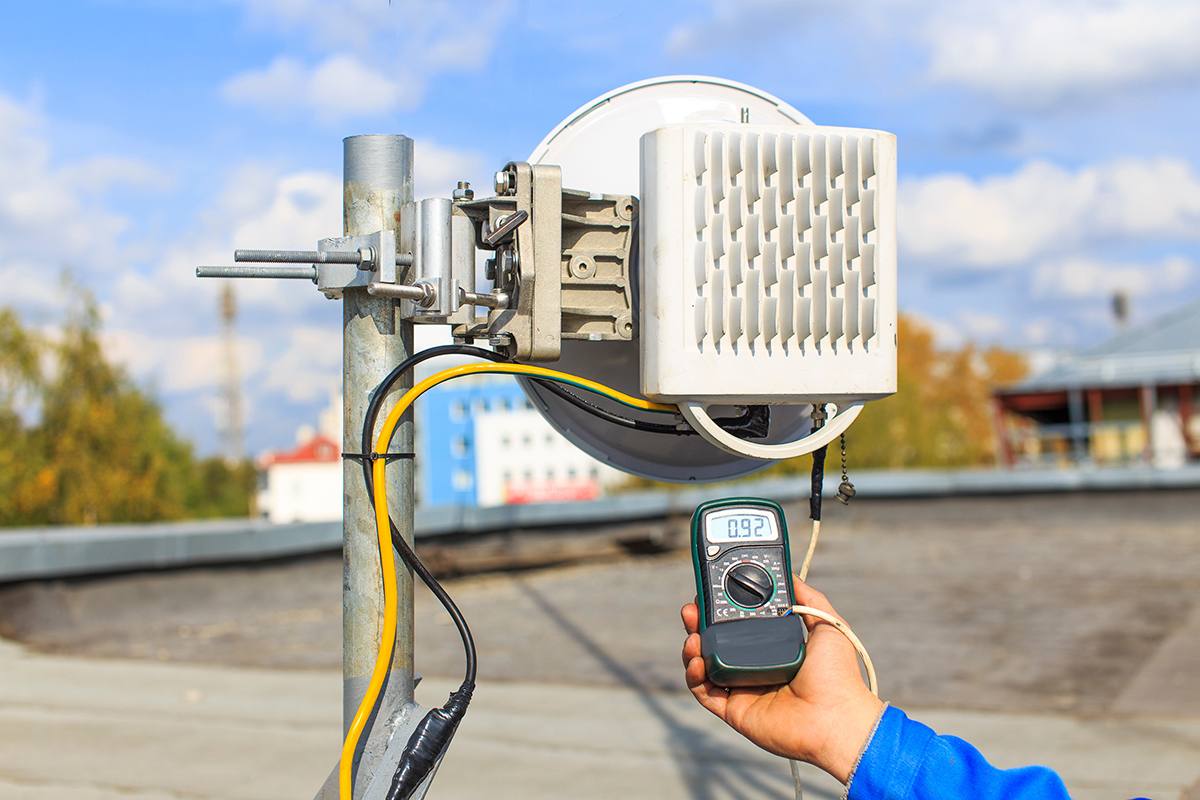
ERCES RF grid testing is a structured testing process used to measure radio signal strength throughout a building to determine whether emergency responder communication requirements are being met. The building is divided into a grid, and signal readings are taken at defined intervals to ensure consistent coverage.
The goal of RF grid testing is simple but critical: confirm that first responders can maintain reliable radio communication in areas where they are most likely to operate during an emergency. This includes spaces that are commonly affected by signal loss, such as stairwells, basements, parking garages, elevator lobbies, interior corridors, and mechanical rooms.
During testing, signal strength is measured against minimum thresholds established by applicable fire codes and local jurisdiction requirements. If the building does not meet these thresholds, corrective action may be required, such as system adjustments or ERCES installation.
Read More
When RF Grid Testing Is Required in Texas
In Texas, RF grid testing is typically required when a building is subject to ERCES compliance requirements or when an AHJ requests verification of in-building radio coverage. While specific requirements can vary by city or county, there are several common scenarios where testing is expected.
New Construction Projects
New commercial buildings often require RF grid testing to confirm that emergency radio coverage meets code before a certificate of occupancy is issued.
Existing Buildings Undergoing Renovation
Major renovations, expansions, or structural changes can affect RF signal propagation. In these cases, RF grid testing may be required to confirm continued compliance.
Failed Initial Coverage Testing
If a building fails an initial radio coverage evaluation, RF grid testing is often used to identify where coverage falls short and what improvements are needed.
ERCES System Installation or Modification
When a new ERCES system is installed or an existing system is modified, RF grid testing is typically required to validate performance.
AHJ or Fire Marshal Requests
Local fire marshals or other AHJs may require RF grid testing as part of inspections, compliance reviews, or re-certification efforts.
Because requirements vary across Texas, working with a knowledgeable partner who understands how testing aligns with local expectations can help prevent delays and confusion.
Our ERCES RF Grid Testing Methodology
At RFE Communications, we approach ERCES RF grid testing with precision, consistency, and a strong understanding of code expectations. Our methodology is designed to produce accurate results and clear documentation that supports compliance.
Pre-Test Planning and Review
Before testing begins, we review the building layout, system design, and applicable requirements. This ensures the testing approach aligns with the building’s structure and local expectations.
Grid Layout and Test Point Identification
The building is divided into a grid based on established testing standards. Test points are identified to provide representative coverage of each floor and critical area.
Signal Strength Measurement
Using calibrated equipment, we measure radio signal strength at each test point. This process assesses whether minimum performance thresholds are consistently met across the building.
Focus on Critical Areas
In addition to standard grid points, we pay close attention to high-risk areas such as stairwells, basements, and parking structures, where coverage failures are most common.
Data Collection and Analysis
All readings are documented and analyzed to determine compliance. Areas that fall below required thresholds are clearly identified.
Reporting and Documentation
We provide clear documentation that can be shared with AHJs, inspectors, or project stakeholders. This documentation supports inspection readiness and helps guide next steps if improvements are needed.
Our testing methodology is designed not just to pass inspections, but to provide meaningful insight into how a system performs in real-world conditions.
How RF Testing Supports Code Compliance
ERCES RF grid testing plays a central role in demonstrating compliance with fire and public safety codes. While installation is important, testing is what proves that a system actually works as intended. RF grid testing supports compliance by:
- Verifying that minimum signal strength thresholds are met
- Identifying coverage gaps that require correction
- Providing documentation required by AHJs
- Supporting approval during inspections
- Reducing the risk of last-minute failures or rework
Without proper testing, building owners may face failed inspections, delayed occupancy, or costly retrofits. RF grid testing helps prevent these outcomes by providing objective data that confirms system performance.
In Texas, where local enforcement and interpretation can vary, having thorough, professional testing results can make the compliance process smoother and more predictable.

Schedule ERCES RF Grid Testing With RFE Communications
ERCES compliance is not something you want to leave to assumptions. Without RF grid testing, hidden coverage gaps can lead to failed inspections, project delays, or serious safety risks. Proper testing gives you clarity, confidence, and documentation to support compliance.
RFE Communications provides ERCES RF grid testing services throughout Texas to a wide range of industries, helping building owners and project teams identify weaknesses before they become costly problems. Our experienced team delivers accurate testing, clear reporting, and practical insight that supports both code requirements and real-world performance.
If you are preparing for an inspection, evaluating an existing building, or planning next steps for ERCES compliance, contact RFE Communications today to schedule RF grid testing and take a proactive step toward safer, code-compliant emergency communication.
Frequently Asked Questions
Who is responsible for ERCES RF grid testing?
Responsibility can vary by project, but building owners, developers, and contractors are typically responsible for ensuring that testing is completed and documented.
Can RF grid testing be done without an ERCES system?
Yes. RF grid testing can be performed to determine whether a building meets coverage requirements without an ERCES system. If the building fails, ERCES installation may be required.
How often is RF grid testing required?
Testing is commonly required during initial construction, after major renovations, or upon request from an AHJ. Some jurisdictions may require periodic re-testing.
What happens if my building fails RF grid testing?
If testing reveals coverage gaps, corrective action may be required. This could include system adjustments or the installation of an ERCES to improve coverage.
Does RF grid testing guarantee inspection approval?
While testing does not replace inspection authority, proper RF grid testing and documentation significantly improve the likelihood of approval and reduce inspection delays.
How long does RF grid testing take?
The duration depends on building size and complexity. Smaller buildings may be tested quickly, while larger or multi-structure facilities require more time.