ERRCS Installation in California
RFE Communications designs, installs and tests emergency responder radio coverage systems (ERRCS, also called ERCES) for buildings in California. One team handles everything, from the first RF grid test to your fire marshal’s sign-off, so your building gets reliable coverage and your project stays on schedule.



What Is an ERRCS?
An ERRCS is a system that brings public safety radio signal into your building. Concrete, steel and energy-efficient glass block the signal that firefighters, police and EMS rely on, especially in stairwells, basements, elevators and parking garages.
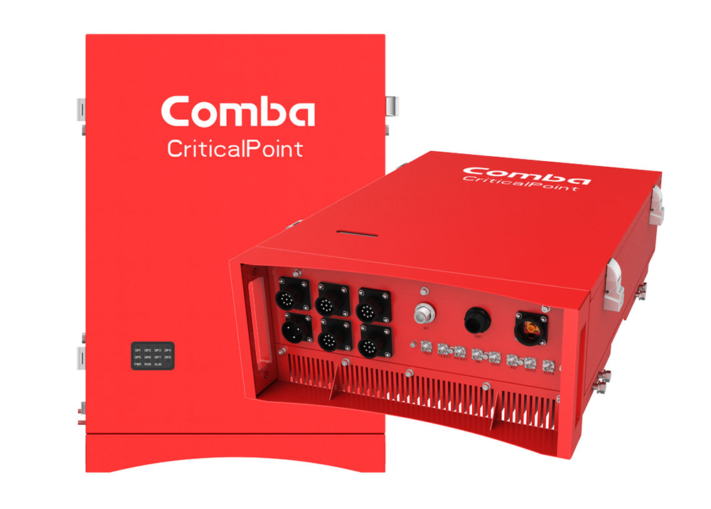
An ERRCS fixes that. A donor antenna on the roof picks up the signal from the local public safety radio network. A bi-directional amplifier (BDA) strengthens it, and a network of indoor antennas spreads it throughout the building, so responders can talk to each other and to dispatch from anywhere inside.
The system is owned by the building, connected to your fire alarm system for monitoring, and backed up by batteries so it keeps working if the power goes out.
Does My Building in CA Need an ERRCS?
Most likely, if it’s large, tall or has floors below ground. Under IFC Section 510, which most jurisdictions adopt, new buildings must provide reliable radio coverage for emergency responders. If the outside signal can’t reach every area of the building, an ERRCS is required.
The exact rules depend on where your building is. Each city or county sets its own size and height thresholds, and many also require existing buildings to meet the standard when they’re renovated or inspected.
The fastest way to know for sure is a grid test. It measures the radio signal on every floor and shows whether you need a system, and if so, where.


How an ERRCS Keeps First Responders Connected
Firefighters and police use radios on the frequencies of their local public safety network, often 700/800 MHz, VHF or UHF. An ERRCS is designed for those exact frequencies, so responders’ radios work inside your building just as they do on the street.
Most codes require strong coverage in nearly all of each floor, and near-complete coverage in critical areas like fire command rooms, exit stairs, elevator lobbies and fire pump rooms. Battery backup and fire alarm monitoring keep the system ready around the clock.
Our ERRCS Installation Process in CA
Grid test and site survey: We measure the existing radio signal on every floor and review your plans, schedule and local requirements.
System design: Our engineers design your BDA system, including the donor antenna, amplifier, cabling and indoor antennas, and prepare the documents for your permit.
Installation: Our technicians install the system and connect it to your fire alarm panel, working around your construction schedule or building operations.
Acceptance testing: We test coverage across the building, document the results and walk through the final test with your fire marshal so you can close out the project.
Annual inspections: Most jurisdictions require yearly testing. Our annual inspections keep your system compliant.


ERRCS Requirements in CA
Requirements vary by city and county, but most follow the same core rules from the International Fire Code and NFPA standards: a minimum signal strength throughout the building, extra coverage in critical areas, backup power, fire alarm monitoring, and annual testing.
Your local fire marshal decides exactly what your building needs. We start every project by confirming those requirements, so your system is designed to pass the first time, without costly rework or delays to your certificate of occupancy.
FAQ
Answers to the questions building owners, developers and property managers ask us most about ERRCS installation.
Does my building need an ERRCS?
If your building is large, tall or has floors below ground, it probably does. Most jurisdictions follow IFC Section 510, which requires reliable radio coverage for emergency responders in new buildings, and many apply it to existing buildings too. A grid test gives you a definite answer.
What's the difference between an ERRCS, ERCES and a BDA system?
ERRCS and ERCES are two names for the same thing: a system that brings public safety radio signal into a building. A BDA (bi-directional amplifier) is the main piece of equipment inside that system.
How long does installation take?
It depends on the building’s size and construction. Smaller buildings can take a few weeks from design to acceptance testing. Large or complex buildings take longer. We plan the work around your construction schedule or building operations.
How much does an ERRCS cost?
Cost depends on the building’s size, construction materials, the radio frequencies your local agencies use, and how much signal already reaches inside. A grid test lets us size the system accurately, so you only pay for the coverage you need.
Does the system need to be tested after it's installed?
Yes. It’s tested before your final inspection, and most jurisdictions require testing every year after that, plus after renovations. We handle both and provide the reports your fire marshal needs.
Can an ERRCS also improve cell phone coverage?
Not on its own. An ERRCS carries public safety radio frequencies. For phones, we install a separate cellular DAS or signal booster, and we can plan both projects together to save time and cost.